
Lebanon Scapes & Construction
Storm Shelter & Tornado Safe Room Installation in Lebanon, TN
Built into your property before you need it.
Underground storm shelter and tornado safe room installation in Lebanon, TN and Middle Tennessee. We handle the excavation, site prep, and concrete work — everything that gets the shelter in the ground correctly. Serving Wilson County, Rutherford County, Sumner County, and surrounding communities.
What It Is
Storm Shelter & Tornado Safe Room Installation
A storm shelter is a reinforced structure — underground or above-ground — designed to protect occupants from tornadoes, straight-line winds, and severe weather events. Underground in-ground shelters are the most common residential installation: a pre-cast or poured-in-place concrete vault installed below grade in a yard or garage floor, with a reinforced hatch and drainage system. Above-ground safe rooms use steel or concrete construction anchored into an existing structure. Our role is the excavation, concrete work, and site restoration — the heavy construction that gets the shelter into the ground right.
Why It Matters
The right approach makes the difference.
Middle Tennessee sits inside Tornado Alley's southern extension. Wilson County and the surrounding counties have been hit by significant tornadoes, and meteorologists consistently rank the Nashville metro corridor among the most tornado-active regions in the country east of the Mississippi. A properly installed underground shelter provides the highest level of protection available — FEMA rates them as the most effective means of surviving a direct tornado strike. The time to install is before the season, not during it.
Lebanon, TN & Middle Tennessee
Serving Wilson County, Rutherford County, Davidson County, and beyond.
How It Works
Our Process
Straightforward steps — no surprises, no shortcuts.
Site Evaluation & Placement
We evaluate your property to identify the right shelter location — accounting for existing utilities, drainage patterns, soil conditions, and access. Wilson County's clay-heavy soil requires specific excavation and drainage approaches we account for upfront.
Excavation
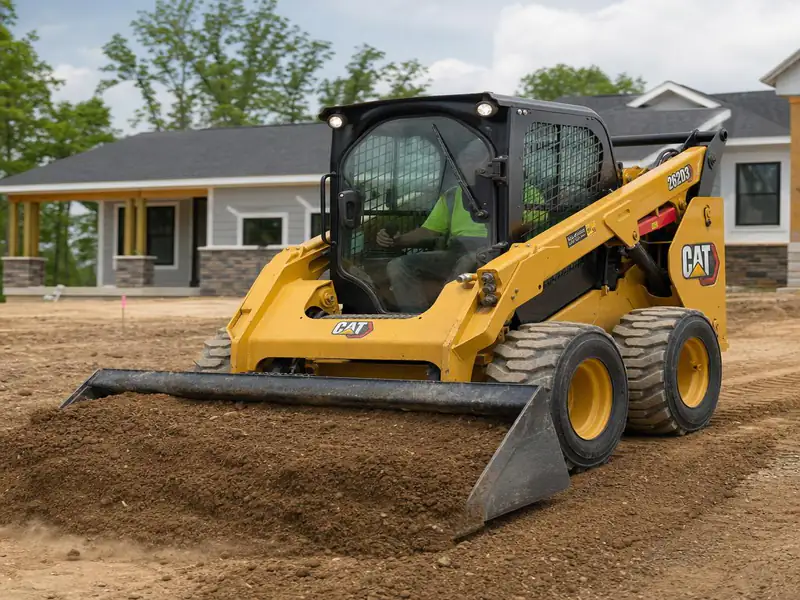
We excavate to the required depth and footprint using our skid steer equipment. The hole needs to be precise — oversized enough for the shelter and backfill, but controlled enough not to disturb surrounding structures or utilities.
Shelter Placement & Concrete Work
The pre-cast shelter unit is set into the excavation. Poured-in-place vaults are formed and poured on-site. The base is leveled, anchored, and any required concrete collars or slab work is completed.
Drainage & Waterproofing
Proper drainage is essential for in-ground shelters in Tennessee's climate. We install a drainage system beneath and around the shelter to prevent water intrusion — a critical step that many installations skip and homeowners regret.
Backfill & Grade Restoration
The excavation is backfilled in lifts and compacted properly. The surface grade is restored and seeded or sodded to match the surrounding area. The hatch and entry are finished and the site is left clean.
What We Offer
Options & Materials
Quick Answers
Common Questions
Q.How deep does an underground storm shelter need to be in Lebanon, TN?
Standard underground shelter installations in Wilson County place the shelter roof 6–12 inches below grade — enough to be fully covered when backfilled, with a flush or slightly raised hatch. Deeper installations are possible for specific shelter designs. We determine the exact depth based on the shelter unit specifications and your site conditions.
Q.How long does installation take?
Most residential underground shelter installations take 1–2 days: half a day to full day for excavation and placement, then drainage, backfill, and grade restoration the following day. Poured-in-place concrete vaults take longer due to form work and curing time. We'll give you a specific timeline in the estimate.
Q.Can you install in Wilson County's clay soil?
Yes — clay soil is what we work in every day. Clay does require specific drainage approaches for underground shelters because it holds water rather than draining freely. Our drainage installation under and around the shelter addresses this directly. Skipping that step in clay soil leads to a shelter that collects water — we don't skip it.
Q.What does storm shelter installation cost in Middle Tennessee?
Excavation, placement, drainage, and grade restoration for a standard residential underground shelter typically runs $1,500–$3,500 depending on site conditions, shelter size, and access. This is for our installation labor and site work — shelter unit cost is separate. Poured-in-place concrete vaults are priced differently. We provide free on-site estimates for all shelter projects.
Q.Do you supply the shelter unit or just install it?
We currently focus on the excavation, concrete work, drainage, and site restoration. We can coordinate with shelter suppliers and work from their installation specifications, or we can install a unit you've sourced. Call or text us to discuss your specific situation — we'll figure out the right approach for your project.
Q.What size shelter do I need?
FEMA recommends a minimum of 5 square feet per person for short-duration shelter use. A family of four needs a minimum of a 4'×5' unit. Most residential units run 6'×8' to 8'×12'. Larger units offer more comfort for extended stays and storage. We install all standard residential shelter sizes.
Who Uses This Service
Storm Shelter & Tornado Safe Room Installation is a core part of the work we do for these customers across Lebanon, TN and Middle Tennessee:
Plan Your Next Project
Explore tips and project guides before getting started.
Browse Construction articlesReady to get started?
Free, no-obligation estimates for all storm shelter & tornado safe room installation projects in Lebanon, TN and Middle Tennessee. We respond fast and show up on time.